Art education plays a crucial role in the holistic development of children. Through the arts, young minds explore their creativity, refine their sensitivity, and develop a better understanding of the world around them. Artistic activities such as music, painting, theater, and dance contribute not only to personal growth but also to the acquisition of skills such as critical thinking, problem-solving, and collaboration. They promote personal expression and help overcome linguistic and cultural barriers, thus preparing children to become open-minded and thoughtful global citizens.
The impact of art education on children’s cognitive and emotional development
In a recent study, Hill Strategies highlighted the benefits of art education for young people. Regular exposure to the arts significantly improves academic outcomes and increases the chances of professional success. But beyond these tangible benefits, consider the profound impact on cognitive and emotional development. Artistic activities, by their exploratory nature, stimulate critical thinking and creativity, essential skills in an economy where innovation is key.
Young people immersed in arts education show increased motivation and enhanced perseverance in the face of academic challenges. Engagement in creative processes nurtures their curiosity and desire to learn, thereby reducing school dropout. Art, Comme Vous Voulez, is a gateway to greater school attendance, as it sparks interest and captivates students’ attention, encouraging them to actively participate in their own education.
Art education fosters valuable social skills such as communication and cooperation. By working together on artistic projects, children learn to express their ideas constructively and collaborate with their peers, thus establishing solid foundations for healthy interpersonal relationships. These skills are levers that enhance their ability to engage in their community.
Arts education is not limited to developing artistic talents; it also aids in acquiring a wide range of innovation-related skills. In a constantly changing world, these skills are essential, as they enable young people to adapt and thrive in various professional and personal contexts. Art, in summary, prepares children to face uncertainty and shape the future with confidence and originality.
Strategies for effectively integrating art into educational programs
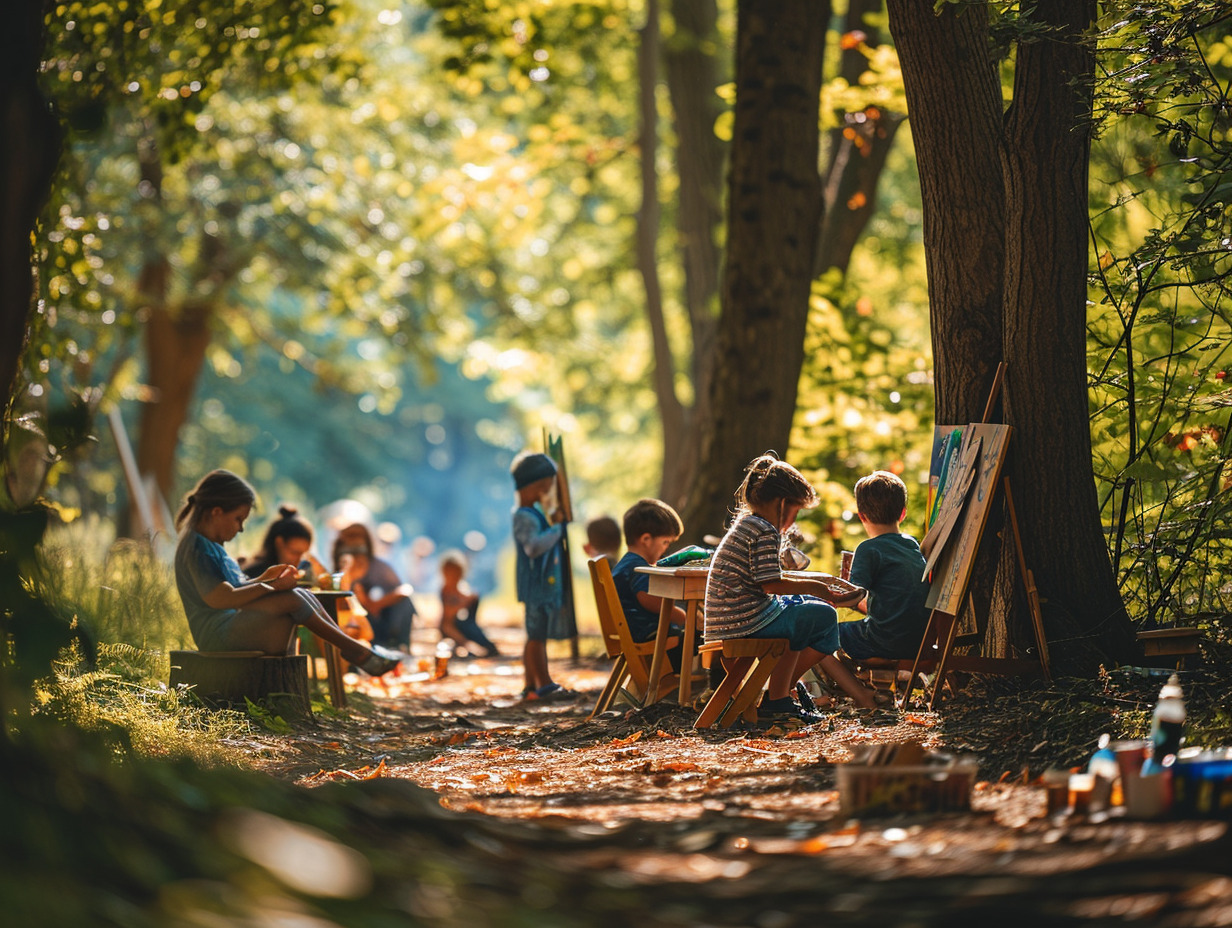
Integrating art into education requires a thoughtful and systematic approach. Find ways to weave art into existing curricula, rather than viewing it as a peripheral or optional addition. Mathematics, science, languages: all can be enriched by artistic practices. Transdisciplinary projects can create bridges between the arts and other subjects, thus fostering a more comprehensive understanding of the concepts taught.
Encourage partnerships with local cultural institutions. Museums, theaters, and artist workshops can become natural extensions of the classroom, making learning vibrant and tangible. These collaborations can also allow teachers to draw on the expertise of arts professionals to design innovative and engaging teaching modules.
Design appropriate assessments to measure achievements in arts education. Away from standardized tests, these assessments should capture creative progress, critical thinking, and individual expression. Student portfolios or project presentations are examples of assessments that better reflect the skills acquired through arts education.
Involve students in the design of their artistic journey. Autonomy and choice in artistic projects boost engagement and allow for personal exploration that enhances motivation and perseverance. Students thus become active participants in their learning, which nurtures their interest and attendance at school while developing innovation-related skills.