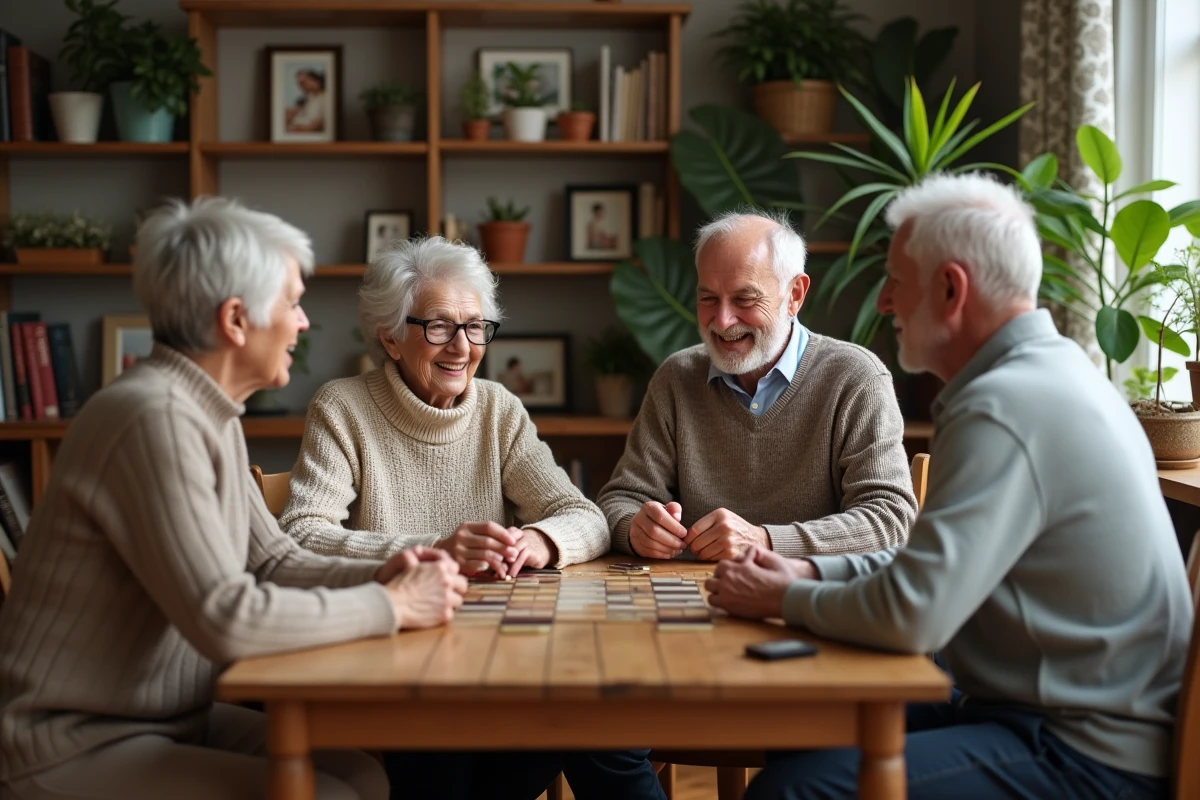
In France, nearly one million elderly people report not seeing anyone regularly according to figures from the Observatory of Loneliness. Access to traditional social networks tends to decrease after retirement, even though the need for interactions remains constant. However, 80% of seniors claim they wish to engage in collective activities but face obstacles in taking the plunge.
Mutual aid systems and intergenerational exchanges remain largely underutilized, even though they have already proven effective. On the ground, several initiatives, whether local or national, demonstrate that there are tangible ways to strengthen social ties and break the isolation that settles in day after day.
Why social ties are essential in retirement
The transition to retirement shakes everything up. Gone are the coffee breaks at the office, the colleagues, the impromptu discussions. Suddenly, daily life stretches out, and for many, solitude quietly creeps in. This very real shift exposes hundreds of thousands of seniors to an isolation that is rarely discussed. Loss of a spouse, distance from loved ones, financial difficulties: these are all factors that amplify withdrawal. And detection? Rarely obvious, even for caring families or committed caregivers.
The social link in retirement is far from a mere luxury. It is a major condition for preserving one’s quality of life. Studies confirm it: surrounding oneself, exchanging, having a circle of friends or neighbors protects against discouragement, anxiety disorders, strokes, or certain inflammatory diseases. Regular contacts improve sleep, daily hygiene, blood pressure, and boost the immune system. Even a simple exchange at the market or a shared workshop can influence life expectancy.
Retirement deserves better than programmed isolation. The desire to pass on knowledge, the pleasure of sharing memories, telling one’s story: all of this shapes the social life of seniors. Partage Senior highlights those who, every day, imagine new solidarities and build bridges between generations so that no one disappears into the shadows.
How to spot isolation in seniors and act at the right time?
Loneliness sets in insidiously. Outings become rarer, calls are spaced out, and the social circle shrinks. Decreased autonomy, financial difficulties, digital divide, death of a loved one: these are all triggers, often silent. The consequences gradually manifest as disinterest in leisure activities, neglect of hygiene, increased fatigue, or even refusal of care.
The vigilance of the immediate circle is invaluable. A parent who no longer answers the phone, a neighbor whose door remains closed—these are signals to take seriously. Collective solidarity then takes on its full meaning: shopkeepers, caregivers, and neighbors can all lend a hand, listen, guide, or report a concerning situation.
Here are the signs and factors that should raise alarms:
- Prolonged isolation, disengagement from usual activities, withdrawal, neglect of appearance, repeated absences from regular appointments.
- Increased risk related to ageism, family distance, or lack of access to social rights.
Social participation makes all the difference. A simple visit, accompanying someone for an errand, exchanging a few words during a neighborhood stroll: these small gestures slow down the spiral of social isolation. Spotting the first signs and acting quickly gives the best chance to preserve autonomy and dignity.
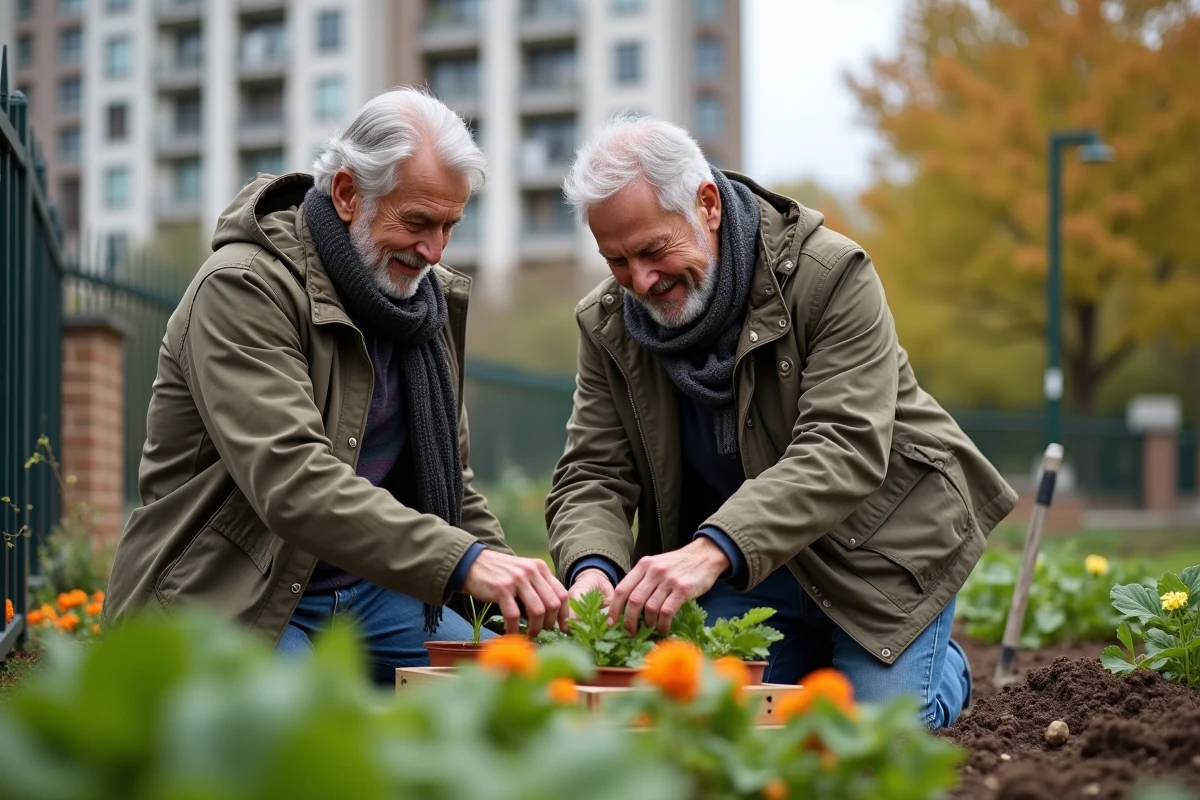
Concrete ideas to build relationships and help each other daily
The social link thrives on proximity and shared moments. Getting involved in collective activities, creative workshops, board games, small group walks, gentle exercise sessions, provides real opportunities for meeting. Local associations and clubs become places of exchange, where everyone brings their desires and experiences. Mutual aid naturally establishes itself around a common project or passion.
But there are other frameworks for coming together. Shared housing, intergenerational cohabitation, fosters exchange between different ages and creates a true climate of trust. In autonomous or medicalized residences, regular activities invite conviviality and stimulate bonds among residents.
Digital tools, used wisely, maintain connection despite distance. Video calls, messages, or online discussion groups: these are all solutions to stay in touch, provided one is supported to overcome the digital divide. Organizations like Pont des Âges or Servici, and public initiatives like the APA (personalized autonomy allowance), offer hours of exchanges, home support, or visits to break isolation.
Volunteering also holds a key place. Giving a bit of time, passing on knowledge, helping a neighbor with an administrative process: these initiatives enhance value, strengthen trust, and animate local life. And do not underestimate the presence of a pet: a faithful companion, it breaks solitude and provides a daily anchor.
Reweaving ties is about breathing life into each day. Tomorrow, behind a closed door, a helping hand or an attentive voice could very well change the course of a life. It is up to each person to invent, in their own way, the local solidarity that makes aging gentler and society more united.