As winter approaches rapidly and temperatures drop, the cold-sensitive among us begin to feel that familiar apprehension towards the harshness of the climate. The winter clothing market offers a multitude of options to protect against the cold, but one of the most popular choices remains undoubtedly the down jacket. This garment, with its padded look and often modern design, promises warmth and comfort during icy days. But is it truly up to the expectations of the cold-sensitive? Is it wise to consider it as a one-size-fits-all solution, or is it better to contemplate a more complex clothing strategy that includes additional layers?
Understanding the Thermoregulation of a Down Jacket
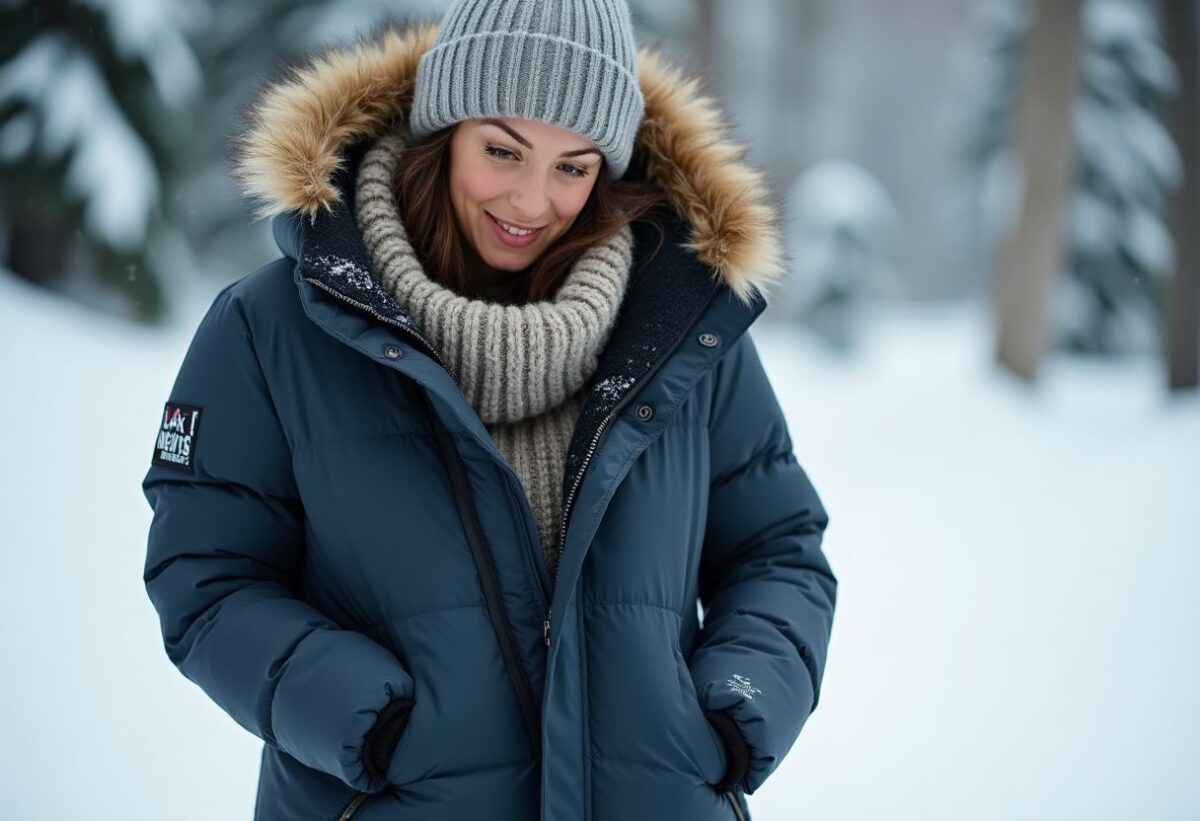
To assess whether the down jacket is suitable for the cold-sensitive, it is essential to understand how it functions in terms of thermoregulation. The padding, fit, and outer material each play a role in the jacket’s ability to retain body heat.
- The padding: made of down or synthetic materials, it traps warm air, creating a thermal barrier against the cold outside. Down provides excellent insulation but can lose its effectiveness in humid conditions.
- The fit: a proper fit prevents cold air from seeping in, while an overly loose fit can allow unwanted drafts to enter.
- The outer material: often water and wind-resistant, it serves as the first line of defense against the elements. The lightweight nature of the material can also influence the feeling of warmth.
The Limitations of the Down Jacket: When Layering Becomes Necessary
Although effective, the down jacket can show its limitations in certain extreme weather conditions or for individuals particularly sensitive to the cold, thus necessitating a layered clothing approach.
- Extreme weather conditions: during snowstorms or Siberian winds, the down jacket alone may not be sufficient to maintain a comfortable body temperature.
- Cold-sensitive individuals: for those who are particularly sensitive to the cold, a simple *down jacket* does not always provide the desired thermal comfort.
- Layering: a strategy often adopted is layering. A wool sweater or technical base layer can provide additional thermal protection under the women’s down jacket, creating a more stable individual microclimate.
- Outdoor activities: for prolonged outdoor activities, wearing multiple layers becomes essential to adapt to variations in body and weather temperatures.

Choosing the Right Down Jacket to Maximize Warmth
The choice of the down jacket itself plays a determining role in its ability to retain heat. Here are some criteria to consider when purchasing.
- Quality of down or filling: the quality of down is often measured by its fill power, which indicates the volume of air trapped by the down. A high fill power generally means better thermal insulation.
- Design and technology: some modern down jackets incorporate advanced heat management technologies, such as reflective fabrics that redirect body heat inward.
- Adaptability and versatility: a good down jacket should offer versatility of use, allowing for easy transitions from an indoor environment to an outdoor one without experiencing thermal shock.
Alternatives to the Down Jacket for the Cold-Sensitive
For the cold-sensitive, it may be interesting to explore other clothing options in addition to the down jacket. Here are some alternatives that could enhance thermal comfort.
- Wool or fleece jackets: these natural materials provide excellent thermal insulation, even in wet weather, and can be worn under a down jacket for added warmth.
- Long padded coats: these coats offer extensive coverage and prevent cold drafts from sneaking under the clothing.
- Heating technology: some garments incorporate battery-powered heating elements for constant and adjustable warmth, making them perfect for the cold-sensitive.
The down jacket proves to be a formidable ally in facing winter temperatures, but it is not always a universal solution for the cold-sensitive. A clothing strategy that includes multiple layers can often be more effective in ensuring warmth and comfort. The choice of materials and technologies plays a significant role in the effectiveness of a down jacket, and understanding one’s own heat needs is essential for making the right choice. Whether you opt for a simple down jacket or prefer to combine it with other garments, the key is to find the combination that will keep you warm all winter long.